Sunreach
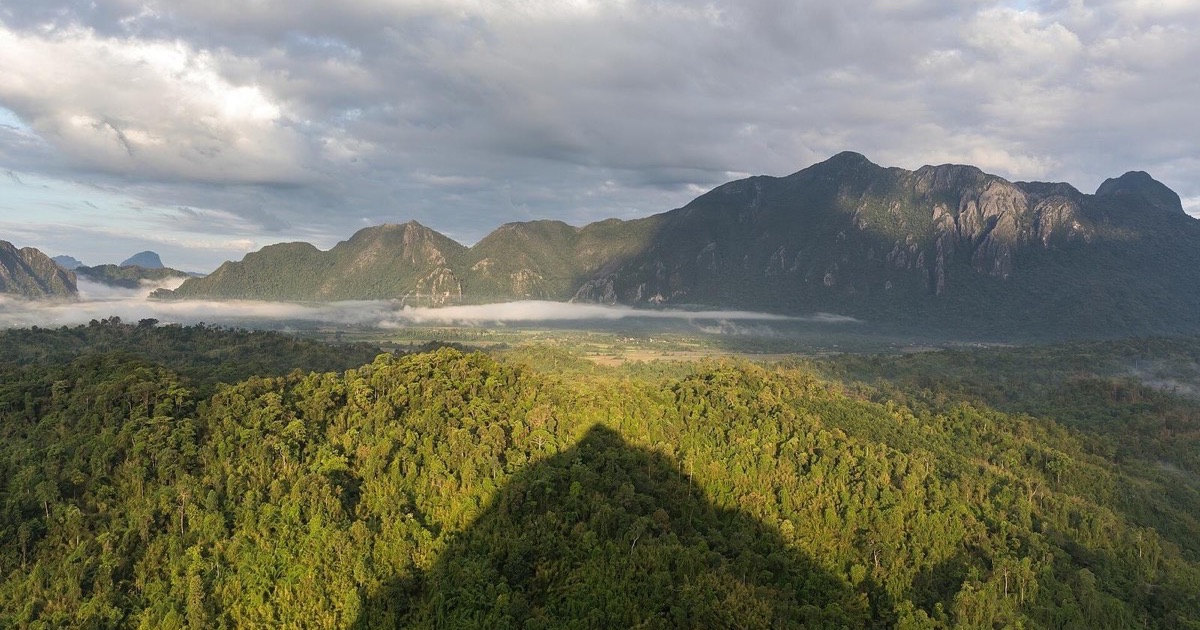
Why sunrise time isn't when the sun reaches you
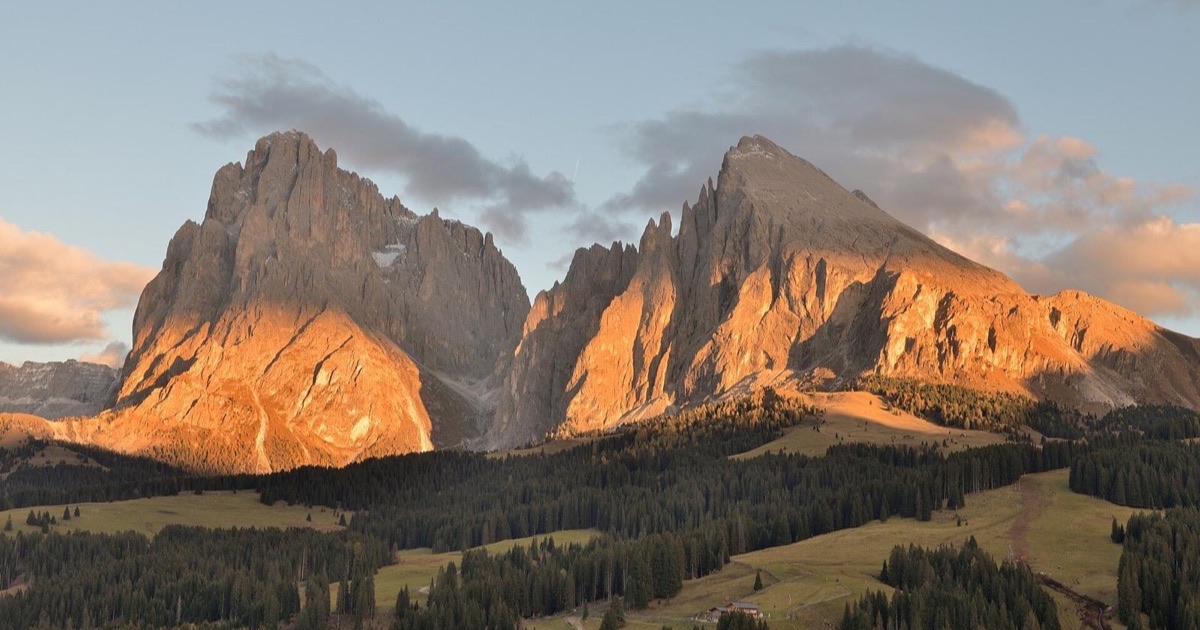
The sunrise time on your phone assumes a flat sea-level horizon. In the mountains the sun reaches you when it clears the ridge, often more than an hour later.
Read more →How sunlight, terrain and the time of day work together.
The sunrise time on your phone assumes a flat sea-level horizon. In the mountains the sun reaches you when it clears the ridge, often more than an hour later.
Read more →Golden hour happens in the sky every day, but in a valley the warm low sun often never reaches the ground. The 6° rule, with Bovec and the Soča gorge as examples.
Read more →The definition, the maths in one paragraph, golden and blue hour tables for six cities, and the one thing every golden hour calculator leaves out.
Read more →Pick the camera position, check whether the light reaches it, and understand the difference between a sunlit viewpoint and a sunlit subject.
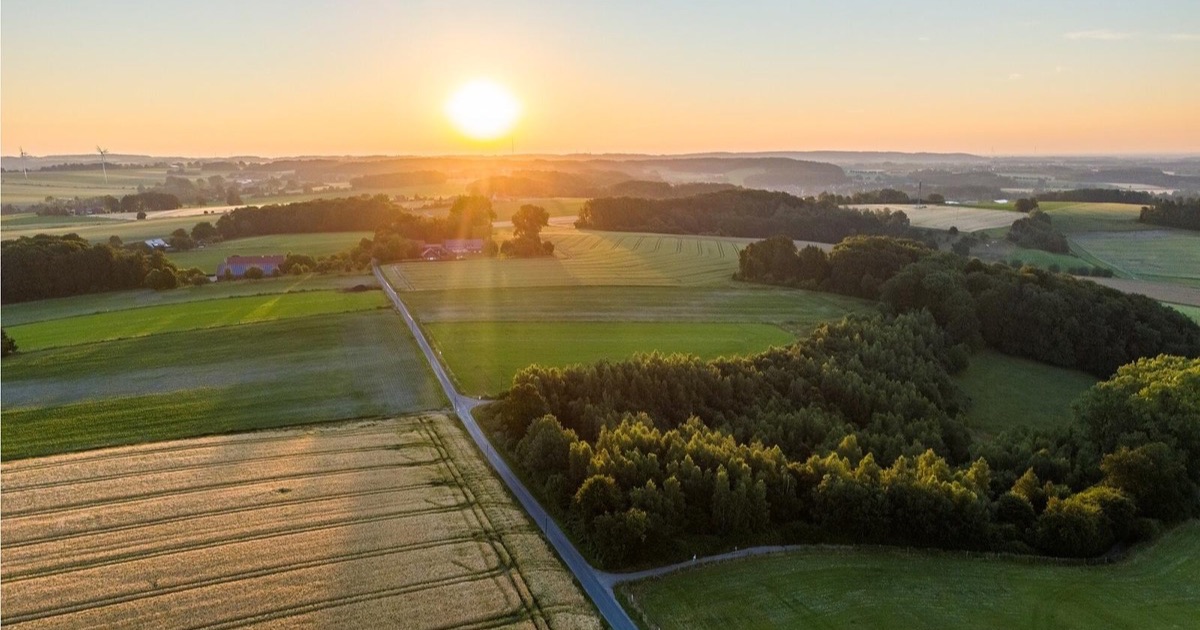
Read more →Choose a light window for an aerial composition, preview the view from a chosen height and explore how the camera and daylight change together.
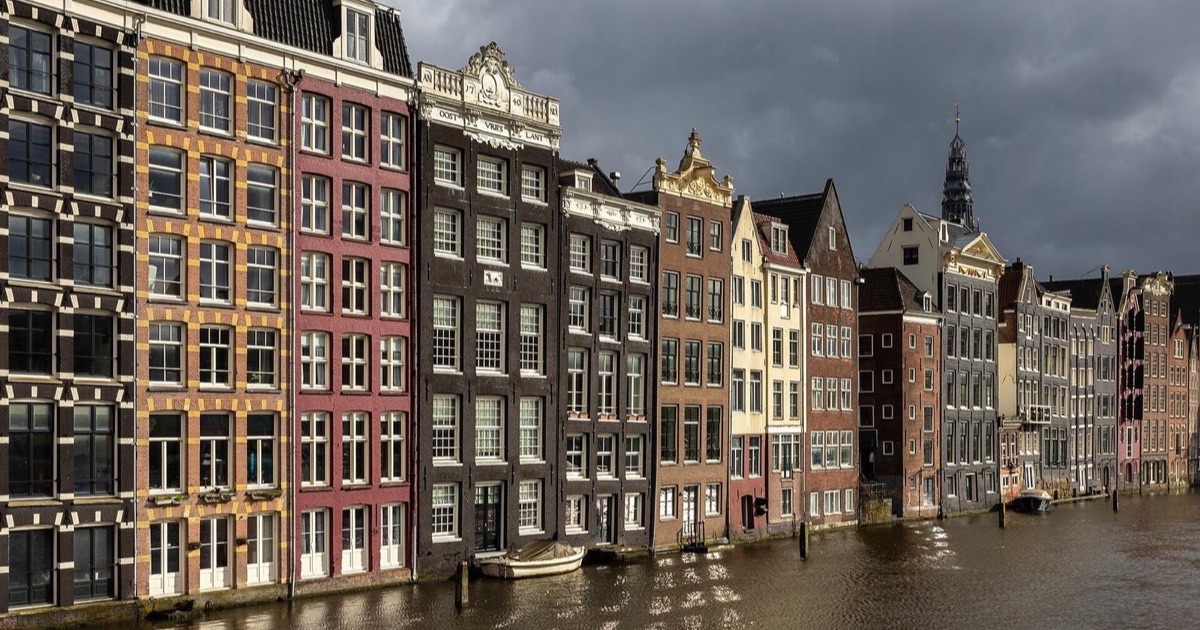
Read more →Buildings decide the light in a city. Turn the 3D city view to the minute you plan and see which side of the street is lit.
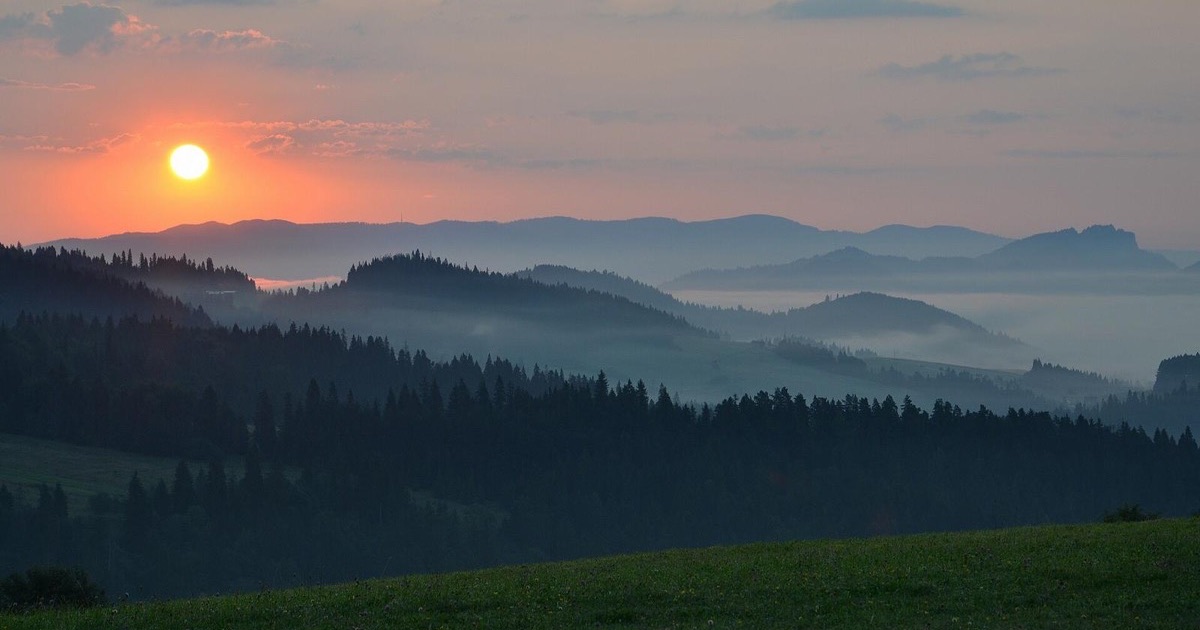
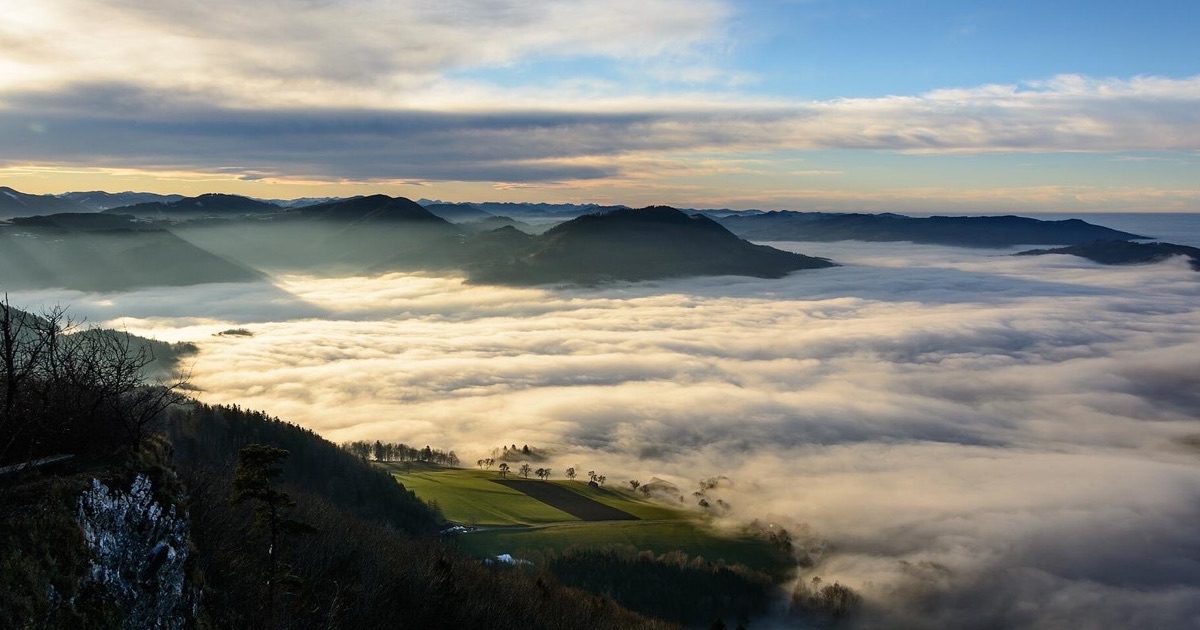
Read more →Which summits catch the pink light after sunset, for how long, and whether a cloud bank will kill it. Plus the mornings a valley fills with fog.
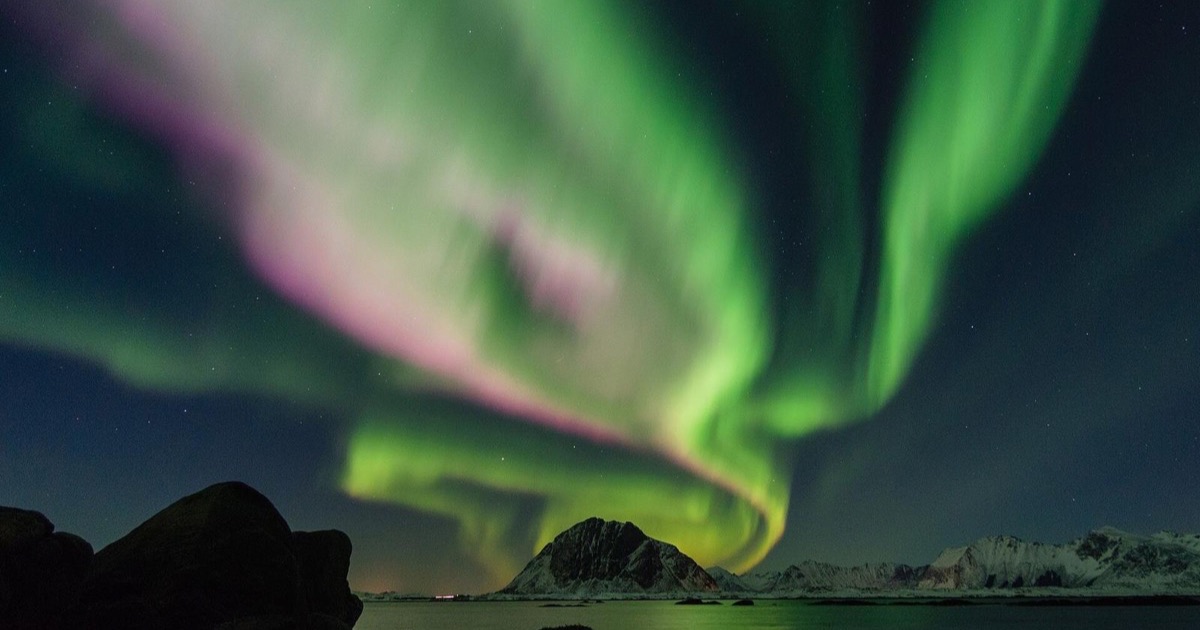
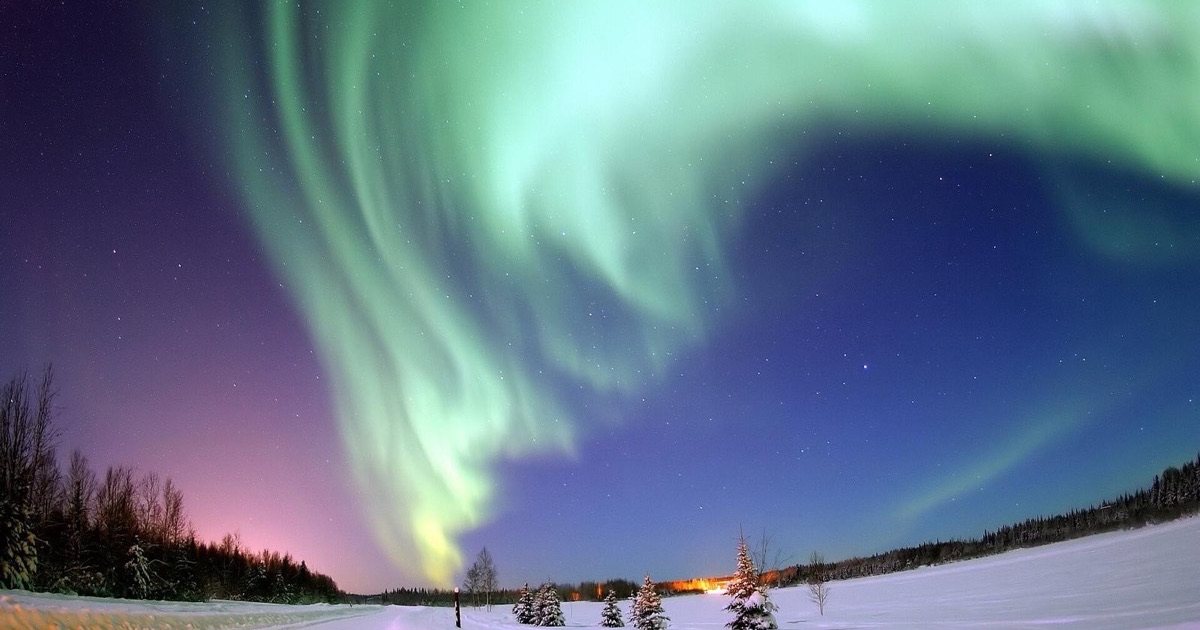
Read more →From any Kp in Tromsø to Kp 4.9 in London and Kp 7.3 in the Alps: what decides it, and how far ahead you can know.
Read more →Magnetic midnight is 23:28 in Edinburgh and 02:19 in Yellowknife. Away from it the oval pulls back: about 0.8 Kp more at dusk, 1.8 at dawn.
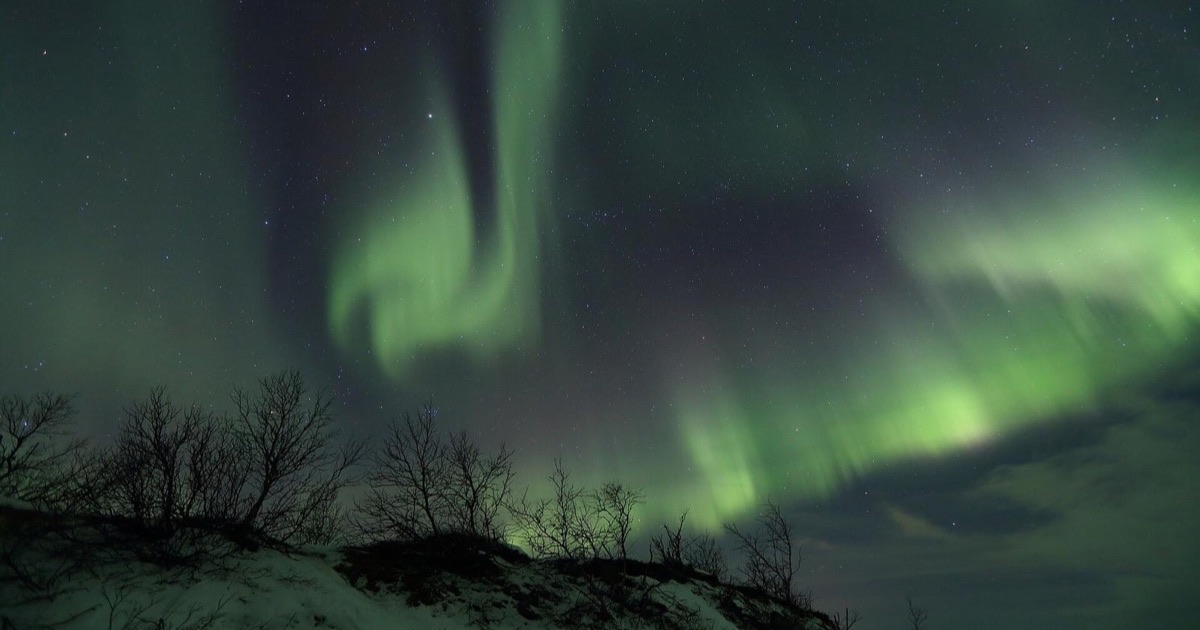
Read more →Kp says how far south the aurora reaches. Bz says whether it will brighten in the next hour. The map says where it is now. Read them in that order.
Read more →